
You wake up feeling congested again, even though you slept well. Throughout the day, you find yourself clearing your throat or dealing with that nagging cough that just won’t go away. When you’re at work or visiting friends, you feel fine—but at home, the symptoms return. You might be experiencing something more common than you realize: respiratory issues caused by contaminated air ducts.
Many homeowners live with chronic respiratory symptoms without connecting them to their home’s air quality. We’ve worked with countless families who discovered that professional duct cleaning dramatically improved their breathing, sleep quality, and overall comfort at home.
The Hidden Link Between Dirty Ducts and Your Health
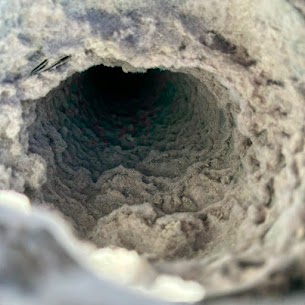
Your home’s ductwork operates like the circulatory system of your house, constantly moving air through every room, every day. Just like your blood carries nutrients and oxygen throughout your body, your ducts distribute heated and cooled air to maintain comfort. But when that system becomes contaminated, it can also circulate particles that irritate your respiratory system.
Most people don’t realize how much air actually moves through their ductwork daily. Your HVAC system recirculates the air in your home multiple times each day, meaning that any contaminants in your ducts get redistributed throughout your living space repeatedly. If those ducts contain dust, allergens, or other irritants, you’re essentially breathing those particles over and over again.
The Environmental Protection Agency has found that indoor air can be two to five times more polluted than outdoor air. When you consider that most Americans spend about 90% of their time indoors, the quality of your home’s air becomes crucial for your health. Your ductwork plays a central role in determining whether that indoor air helps or hurts your respiratory system.
Your respiratory system wasn’t designed to handle the constant exposure to particles that can accumulate in dirty ductwork. Every breath you take at home can introduce dust mites, pet dander, pollen, and other allergens directly into your lungs. Over time, this continuous exposure can trigger or worsen respiratory symptoms that affect your daily quality of life.
Children and elderly family members face particular risks from contaminated indoor air. Their developing or aging respiratory systems are more sensitive to airborne irritants, making them more likely to experience symptoms from dirty ducts. If you’ve noticed that certain family members seem to struggle with breathing issues more at home than elsewhere, your ductwork could be contributing to their discomfort.
People with existing respiratory conditions like asthma or allergies often find their symptoms worsen when their home’s air quality is poor. Clean air won’t cure these conditions, but removing irritants from your breathing environment can reduce the frequency and severity of episodes, helping you manage your health more effectively.
The connection between duct contamination and respiratory health often goes unrecognized because symptoms develop gradually. You might attribute that morning stuffiness to seasonal allergies or blame a persistent cough on a cold that won’t go away. Meanwhile, your ductwork continues circulating the same irritants that trigger these symptoms day after day.
Modern homes are built more tightly than older houses, which improves energy efficiency but can worsen indoor air quality problems. When your home is well-sealed to prevent energy loss, contaminated air has fewer opportunities to escape and fresh air has less chance to enter naturally. This means that pollutants in your ductwork become more concentrated and have greater impact on your breathing.
Your home’s location can influence how quickly ductwork becomes contaminated and affects your respiratory health. Houses near busy roads collect more exhaust particles, while homes in dusty or pollen-heavy areas accumulate allergens faster. Industrial areas may introduce chemical contaminants that create additional respiratory irritation when they accumulate in your air circulation system.
Lifestyle factors also affect how ductwork contamination impacts your breathing. Pet owners, smokers, and people who use strong cleaning products or air fresheners introduce additional particles and chemicals into their home’s air supply. These substances can accumulate in ductwork and continue affecting air quality long after their initial use.
Even seemingly minor issues like leaky ductwork can contribute to respiratory problems by allowing unconditioned air from crawl spaces, attics, or basements to enter your breathing air. These areas often contain higher concentrations of dust, mold spores, and other contaminants that can trigger respiratory symptoms when they infiltrate your living space.
Common Respiratory Problems Caused by Indoor Air Pollution
Persistent coughing represents one of the most common respiratory symptoms linked to contaminated ductwork. This isn’t the productive cough of a cold or infection—it’s a dry, irritating cough that seems to worsen when you’re at home and improve when you’re away. The cough often intensifies when your heating or cooling system runs, circulating contaminated air throughout your house.
Chronic nasal congestion affects many people who live with dirty ducts, creating that stuffy feeling that makes breathing through your nose difficult. This congestion often worsens overnight as your HVAC system continues circulating contaminated air while you sleep. You might find yourself breathing through your mouth more often or waking up with a dry throat and stuffy nose.
Frequent sneezing fits, especially when you first enter certain rooms or when your HVAC system starts up, can indicate that your ductwork is distributing allergens throughout your home. These sneezing episodes often occur without other cold symptoms, suggesting environmental triggers rather than illness.
Eye irritation and watery eyes often accompany other respiratory symptoms when contaminated ducts circulate irritating particles. You might notice your eyes becoming red, itchy, or watery when you’re at home, particularly in rooms where air vents directly blow toward seating areas or bedrooms.
Throat irritation and scratchiness can result from breathing air contaminated with dust, pet dander, or chemical residues that have accumulated in your ductwork. This symptom often worsens in the morning after breathing contaminated air all night, or when your HVAC system has been running extensively.
Asthma symptoms frequently worsen when ductwork contains triggers like dust mites, pet allergens, or mold spores. If you or family members experience more frequent asthma episodes at home compared to other locations, contaminated ducts could be contributing to symptom flare-ups that affect your quality of life and sleep.
Seasonal allergy symptoms that persist year-round or seem worse indoors than outdoors may indicate that your ductwork is concentrating and redistributing allergens throughout your home. Pollen, dust, and other seasonal irritants can accumulate in ducts and continue affecting you long after outdoor allergen levels drop.
Sleep disruption often occurs when respiratory symptoms worsen overnight due to contaminated air circulation. You might find yourself waking up congested, coughing, or feeling like you can’t breathe clearly. This poor sleep quality affects your energy levels and overall health during the day.
Headaches and fatigue can result from poor indoor air quality that forces your respiratory system to work harder to process contaminated air. When your body constantly fights airborne irritants, it uses energy that would otherwise be available for daily activities, leaving you feeling tired and sluggish.
Sinus pressure and pain often accompany other respiratory symptoms when contaminated air irritates your nasal passages and sinus cavities. This discomfort can be particularly noticeable in the morning or after spending extended periods in rooms with poor air circulation.
Reduced exercise tolerance or shortness of breath during normal activities might indicate that poor indoor air quality is affecting your respiratory function. If you notice breathing difficulties that seem worse at home than in other environments, contaminated ductwork could be contributing to your symptoms.
Skin irritation, while not directly respiratory, often occurs alongside breathing problems when contaminated air contains particles that irritate both your lungs and skin. Dry, itchy, or irritated skin can be another sign that your home’s air quality needs attention.
How Professional Duct Cleaning Helps

Professional duct cleaning removes the source of airborne irritants rather than just treating the symptoms you experience. When we clean your ductwork, we eliminate years of accumulated dust, allergens, and contaminants that have been circulating through your breathing air every time your HVAC system operates.
Our high-powered vacuum systems create negative pressure throughout your entire duct network, pulling contaminated particles away from duct surfaces and capturing them before they can escape into your living space. This thorough extraction process removes particles that household cleaning methods cannot reach, addressing contamination at its source.
Mechanical agitation tools break loose stubborn deposits that have adhered to duct walls over time. These specialized brushes and air whips dislodge particles that simple vacuuming cannot remove, ensuring that we eliminate contamination rather than just stirring it up to resettle elsewhere in your system.
We pay special attention to return air ducts, which pull air from your living spaces and often contain the highest concentrations of household contaminants. These ducts collect pet dander, dust from daily activities, cooking particles, and other irritants that get recirculated throughout your home if not properly cleaned.
Supply ducts receive thorough cleaning to ensure that the treated air from your HVAC system reaches your living spaces without picking up contaminants along the way. Clean supply ducts help maintain the air quality improvements achieved through filtration and treatment by your heating and cooling equipment.
We clean all accessible components of your HVAC system, including grilles, registers, diffusers, and other hardware that can harbor contaminants. These components often accumulate heavy deposits of dust and allergens that continue affecting air quality even after ductwork cleaning if not properly addressed.
Our duct cleaning process improves airflow throughout your duct system by removing obstructions and buildup that restrict air movement. Better airflow means more effective filtration and air treatment, helping your HVAC system maintain cleaner air throughout your home.
We inspect your ductwork during the cleaning process, identifying leaks, gaps, or damage that could allow contaminated air from unconditioned spaces to enter your breathing air. Sealing these issues prevents future contamination while improving system efficiency.
Filter replacement with high-quality filtration media helps maintain the improvements achieved through professional cleaning. We recommend appropriate filter types based on your specific air quality needs and help you establish maintenance schedules that keep contamination from rebuilding.
We provide documentation of the cleaning process and contamination removed, giving you confidence in the thoroughness of our work. Before and after photos show the difference professional cleaning makes in your ductwork condition and air quality.
Our cleaning process typically provides immediate improvements in air quality that many homeowners notice within hours of completion. As your HVAC system begins circulating newly cleaned air, you may find that respiratory symptoms start improving and your home feels fresher and more comfortable.
When to Consider Cleaning Your Ducts

New respiratory symptoms that seem to worsen at home suggest it’s time to evaluate your ductwork condition. If you’ve developed a persistent cough, nasal congestion, or throat irritation that improves when you’re away from home, contaminated ducts could be contributing to your discomfort.
Moving into a new home represents an ideal time for duct cleaning, especially if you’re experiencing respiratory symptoms that didn’t occur in your previous residence. Previous occupants may have had pets, different cleaning habits, or lifestyle factors that contributed to duct contamination that now affects your breathing.
Recent home renovations create dust and debris that often infiltrates ductwork, even when contractors take precautions to protect air circulation systems. Construction particles can trigger respiratory symptoms and should be removed before they have time to settle throughout your entire duct network.
Pet ownership, especially multiple pets or animals that shed heavily, accelerates contamination accumulation that can trigger respiratory symptoms in sensitive individuals. If you’ve recently acquired pets or noticed worsening allergy symptoms since getting animals, professional duct cleaning can help reduce allergen levels.
Visible mold growth anywhere in your home suggests moisture problems that often extend to ductwork, where mold spores can multiply and spread throughout your breathing air. Respiratory symptoms combined with visible mold indicate immediate need for professional assessment and cleaning.
Persistent odors from your vents, especially musty or stale smells, often indicate contamination that can affect both air quality and respiratory comfort. These odors suggest organic matter accumulation that provides food sources for bacteria and fungi that can trigger breathing problems.
Family members with diagnosed respiratory conditions like asthma or allergies may benefit from duct cleaning that reduces their exposure to triggers. While clean ducts won’t cure these conditions, removing irritants from your home’s air supply can help reduce symptom frequency and severity.
Seasonal symptoms that persist year-round or seem disconnected from outdoor allergen levels might indicate that your ductwork is concentrating and redistributing irritants throughout your home. Professional cleaning can eliminate these accumulated allergens and provide relief from persistent symptoms.
Age of your home and ductwork affects how much contamination has accumulated over time. Homes older than ten years without previous duct cleaning often benefit from professional service, especially if respiratory symptoms have developed or worsened recently.
Recent illness in your household can leave behind lingering bacteria and viruses in your ductwork that continue circulating and potentially causing respiratory irritation. Professional cleaning with antimicrobial treatment can eliminate these contaminants and help prevent reinfection.
Changes in your home’s air quality, such as increased dust accumulation, persistent stuffiness, or changes in how your HVAC system operates, may indicate contamination problems that warrant professional cleaning to restore healthy indoor air.
You’ve tried other solutions without success—air purifiers, frequent cleaning, filter changes—but respiratory symptoms persist. Professional duct cleaning addresses contamination sources that other methods cannot reach, often providing the relief that partial solutions haven’t achieved.
Steps to Keep Your Home’s Air Cleaner Year-Round
Regular filter changes represent the most important maintenance step you can take to protect your respiratory health and prevent contamination buildup. We recommend checking filters monthly and changing them every one to three months, depending on your home’s specific conditions and filter type.
High-quality filters make a significant difference in maintaining clean air after professional duct cleaning. HEPA filters or high-MERV rated pleated filters capture smaller particles that can trigger respiratory symptoms, but make sure your HVAC system can handle the airflow restriction of more efficient filters.
Humidity control helps prevent mold growth and dust mite proliferation that can trigger respiratory problems. Maintaining relative humidity between 30% and 50% creates conditions that inhibit these allergen sources while keeping your respiratory system comfortable.
Regular vacuuming with HEPA filtration removes particles before they can be pulled into your return air ducts and recirculated throughout your home. Pay special attention to areas around air vents and returns, where particles tend to accumulate before entering your ductwork.
Pet grooming and bathing schedules become more important when family members have respiratory sensitivities. Regular brushing reduces airborne dander, while frequent bathing removes allergens before they can spread throughout your home’s air circulation system.
Source control measures help prevent contamination from entering your ductwork initially. Use exhaust fans when cooking or showering, avoid smoking indoors, and choose cleaning products with minimal volatile organic compounds that could affect air quality.
Professional HVAC maintenance ensures that your system operates efficiently and doesn’t contribute to air quality problems. Annual service includes cleaning components, checking for leaks, and ensuring proper operation that supports good indoor air quality.
Air purifiers can supplement clean ductwork by providing additional particle removal in specific rooms or areas where family members spend the most time. Choose units with true HEPA filtration and appropriate sizing for the spaces where they’ll be used.
Ventilation improvements help dilute indoor air pollutants with fresh outdoor air. Opening windows when weather permits, using exhaust fans, and ensuring adequate ventilation in all areas of your home helps prevent contamination from concentrating in your breathing air.
Regular professional duct inspections can identify contamination problems before they significantly impact your respiratory health. Annual or biennial inspections help determine when cleaning is needed and can catch issues early when they’re easier and less expensive to address.
Sealing air leaks prevents contaminated air from unconditioned spaces like crawlspaces, attics, and basements from entering your ductwork and living areas. Professional sealing improves both air quality and energy efficiency while reducing contamination sources.
Seasonal maintenance tasks like cleaning around outdoor HVAC units, checking for pest intrusions, and inspecting ductwork connections help maintain the air quality improvements achieved through professional cleaning services.
Professional Duct Cleaning in San Diego
Your respiratory health deserves the cleanest possible air in your home. Professional duct cleaning from our experienced team removes years of accumulated contaminants that trigger coughing, congestion, and other breathing problems that make you uncomfortable in your own house. We use advanced equipment and proven techniques to eliminate dust, allergens, and irritants from your entire air circulation system, helping you breathe easier and sleep better. Don’t let dirty ducts compromise your family’s respiratory health—contact us today to schedule your comprehensive duct cleaning service and start enjoying cleaner air in every room of your home.


